

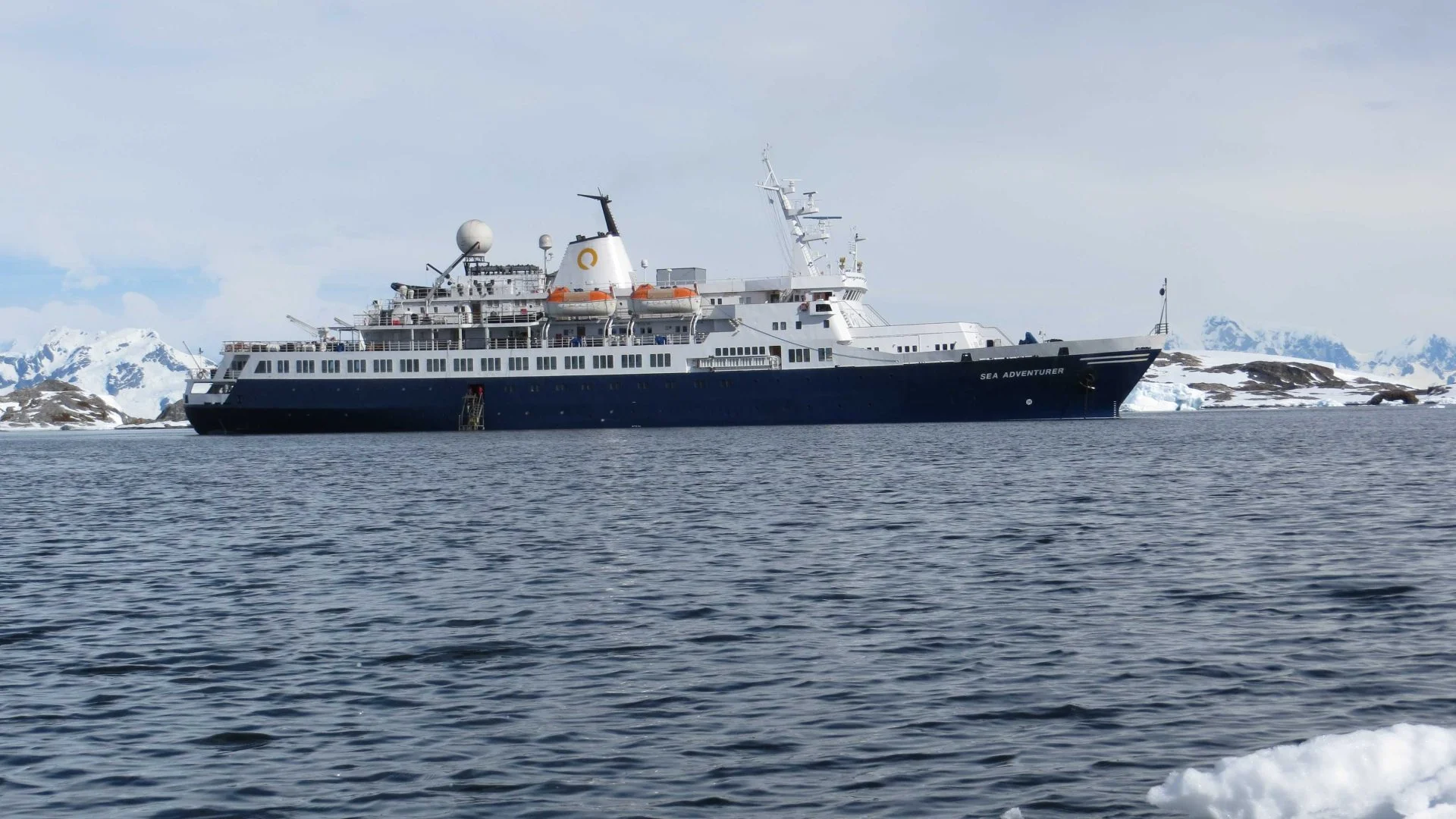
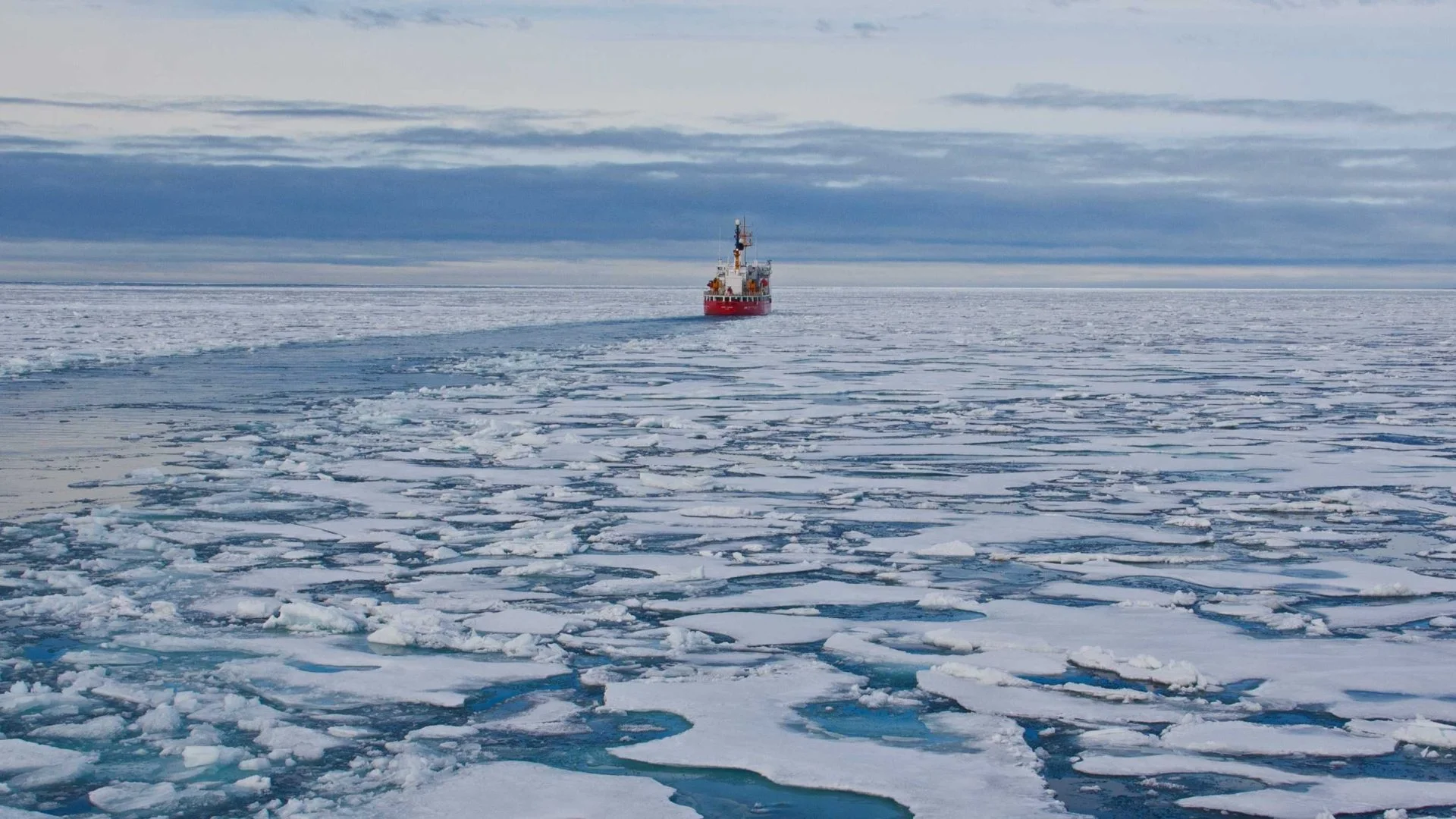
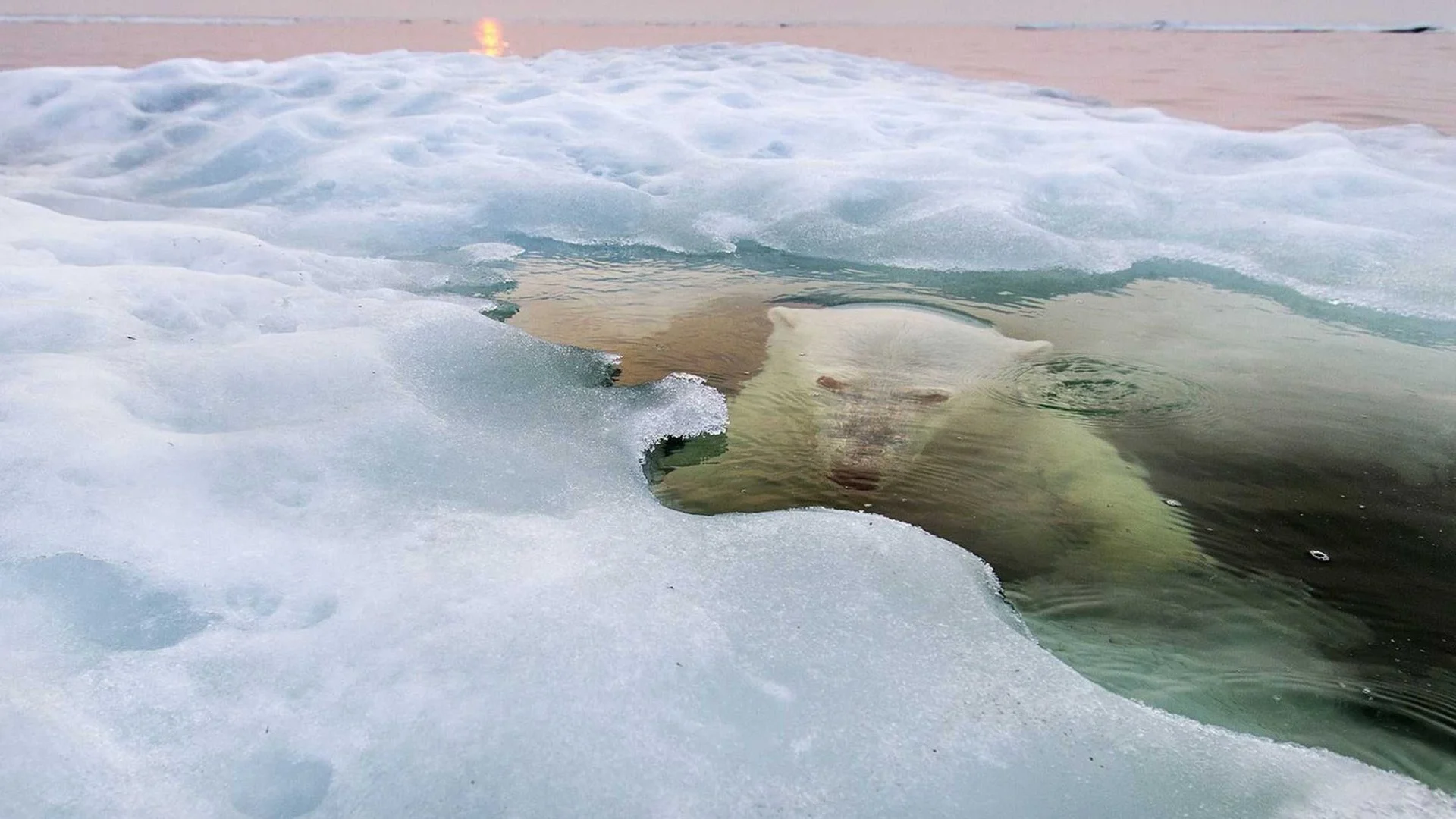
The Northwest Passage is the pinnacle of Arctic exploration; on this tour, we go where the ice allows. We’ll explore the quaint villages, dramatic fiords and calving glaciers of Greenland, working our way north to spectacular Kap York. Crossing Smith Sound we’ll visit Aujuittuq (Grise Fiord), Canada’s northernmost community. The bird cliffs at Coburg Island National Wildlife Area teem with kittiwakes and murres.At Beechey Island, the Franklin expedition gravestones stand watch. Melville, Banks and Devon Islands offer opportunities for Peary caribou, polar bear, walrus and musk ox—and visits to ghostly RCMP and HBC posts. Prince of Wales Strait affords a striking, narrow passage to Amundsen Gulf and our destination: Kugluktuk (Coppermine), crowning an epic journey above the Arctic Circle.
Kangerlussuaq, the start of our voyage, is appropriately named. The word means 'The Big Fjord' in Greenlandic, aptly describing this amazing feature, 168km long!
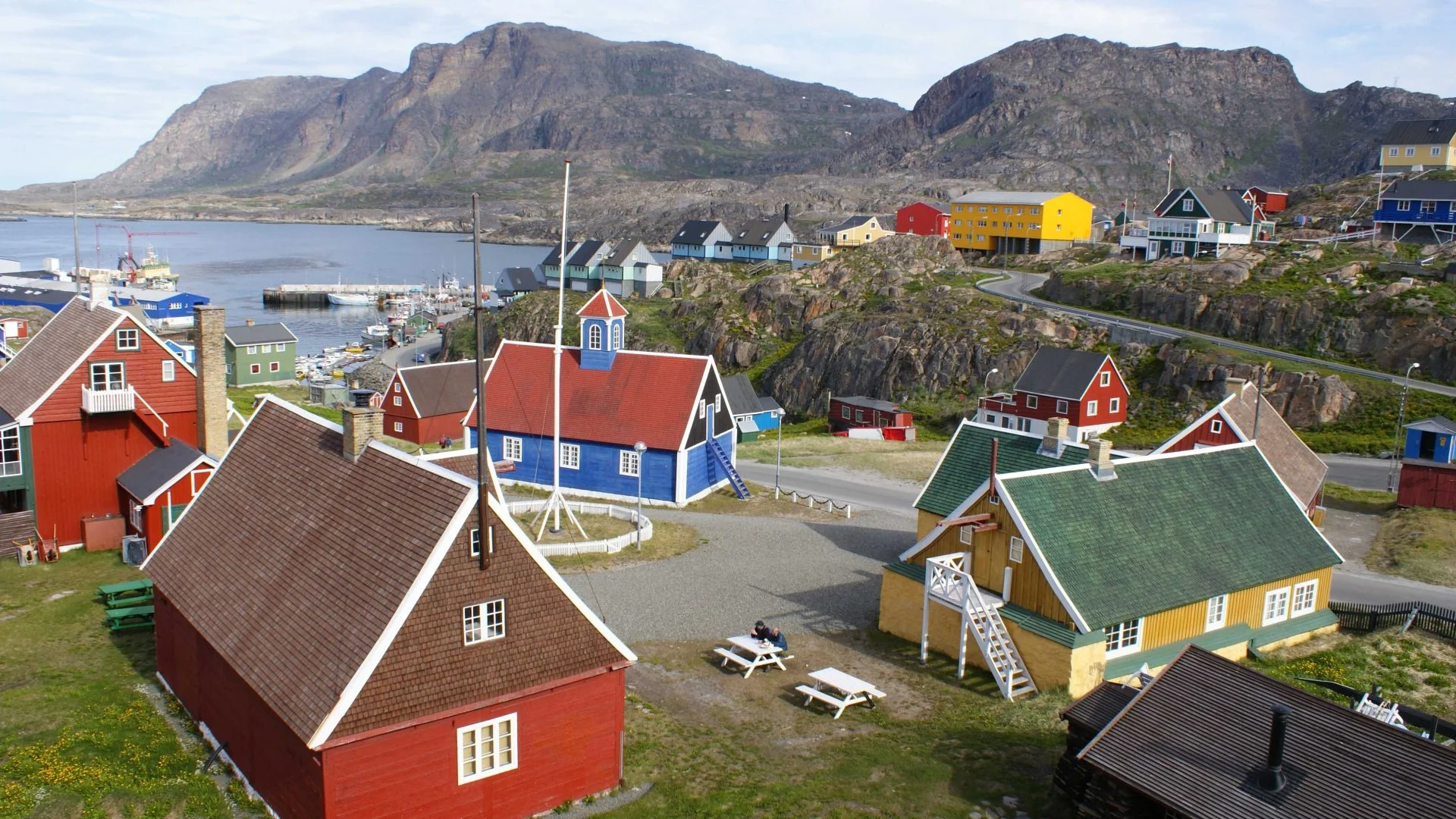
The west Greenland coastline is a rich mixture of fishing communities, myriad islands and complex coastal waterways. We will be making an expedition stop here to explore the Greenlandic landscape.
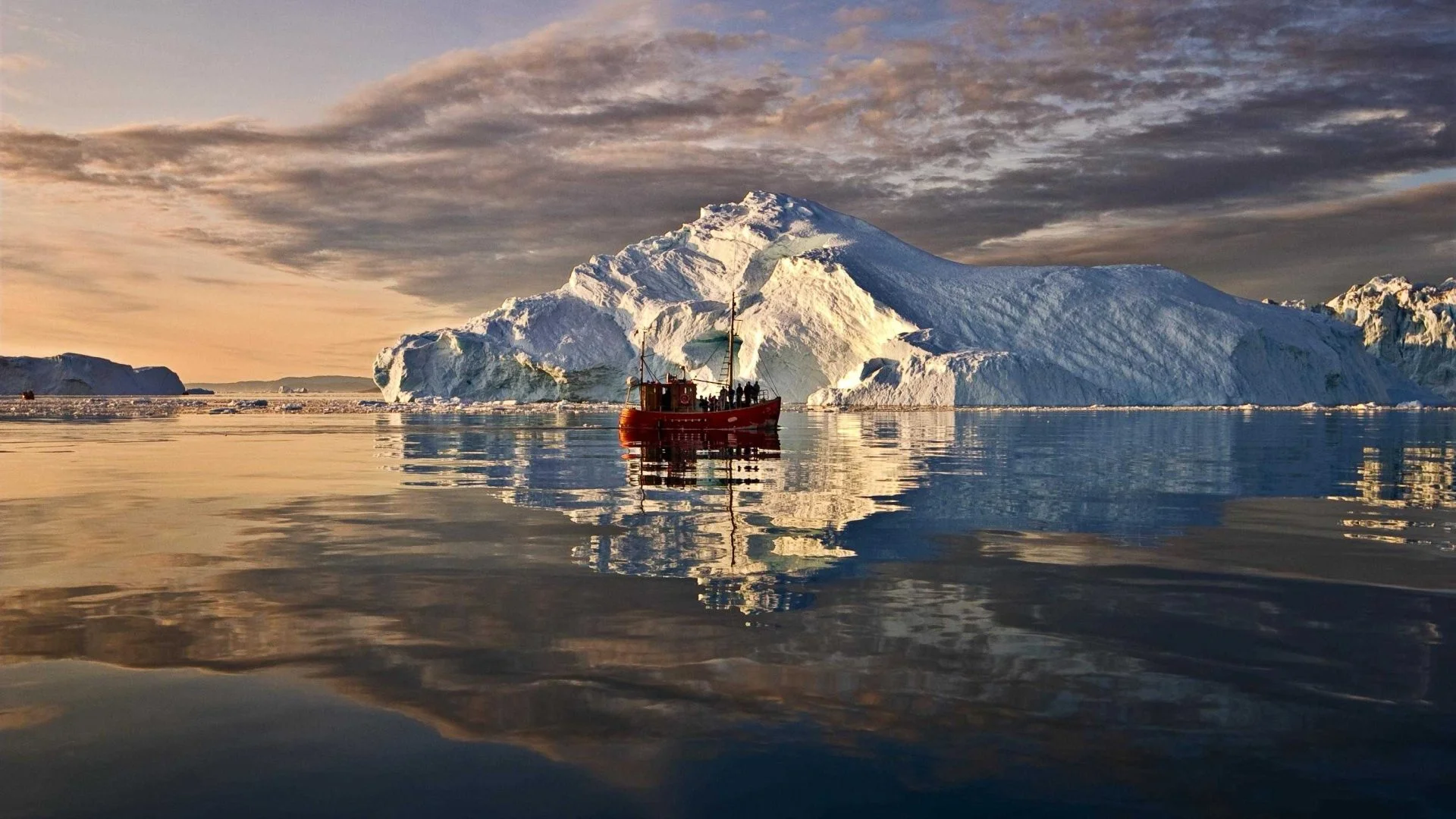
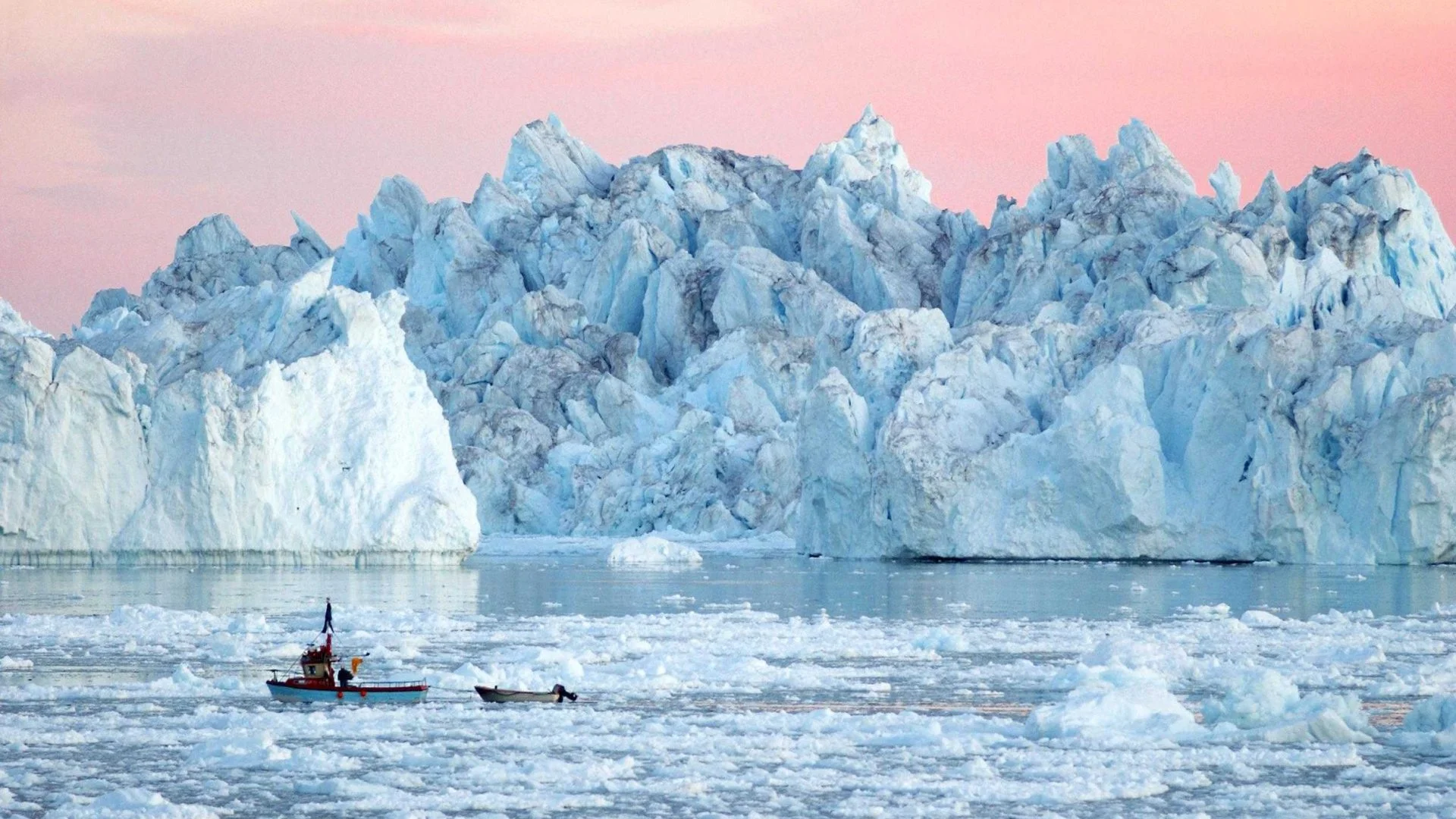
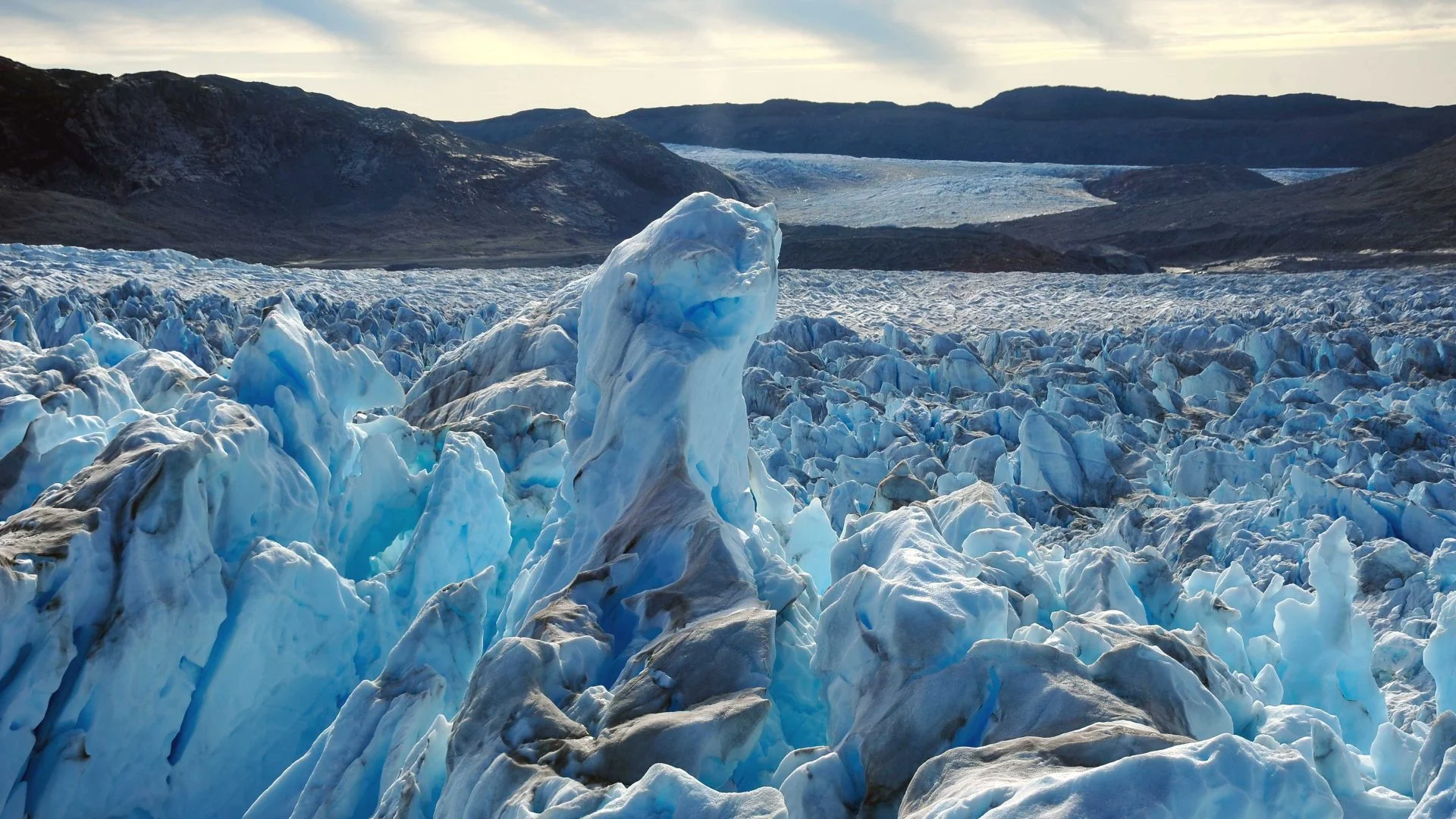
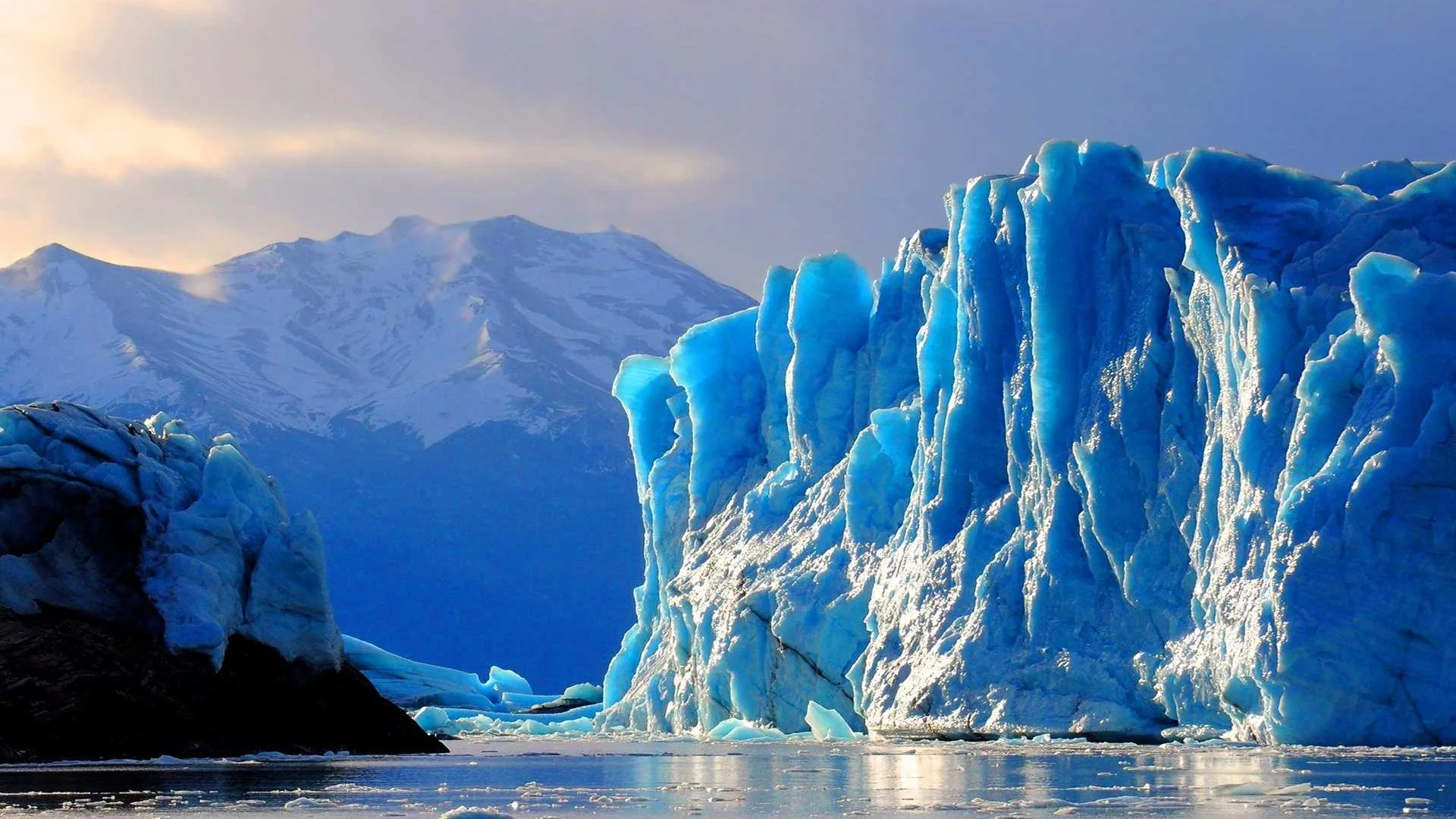
Venturing 250km north of the Arctic Circle we find the stunning coastal community of Ilulissat. Ilulissat translates literally into "iceberg", and there couldn't be a more fitting name. Our visit will include time in the colourful town and a chance to hike out to an elevated viewpoint where we can observe the great fields of ice. We will also cruise in our fleet of zodiacs in the UNESCO World Heritage Site of the Ilulissat Icefjord.
In Karrat Fjord we will cruise one of Greenland's most spectacular fjords. During ice breakup, narwhals and seals use the long leads created by high winds in this region to hunt the rich waters of the fjord. The cliffs within the fjord should give us good opportunities to see colonies of dovekies. Time spent on deck today will likely result in some good wildlife sightings, not to mention unbeatable photographic opportunities.
Upernavik or "the spring place" is populated by 1,100 people most of whom make their living in the fishing industry. Upernavik's location on the small island facing the open sea makes Upernavik unusual in comparison with other Greenlandic towns. Its location on the side of a hill provides a fantastic view of the Davis Strait.
The rugged coastal environment at Kap York is rich in wildlife and is part of an extensive network of traditional hunting grounds. During the spring and summer months the skies and cliffs are dotted with millions of birds, primarily auks and murres. This district boasts the largest seabird population in northwest Greenland. We will hike the tundra landscape and enjoy our own magnificent vistas.
We will spend a day exploring north into this fabled body of water that served as the main route for explorers and adventurers searching for the North Pole. Only 48-72km wide and 88km long, Smith Sound is often packed with ice and provides favourable conditions for wildlife viewing.
Aujuittuq means 'place that never thaws.' That's apt for this peaceful hamlet, 1,150km above the Arctic Circle -Canada's northernmost civilian community. We'll be welcomed by the population of about 165 souls. Our activities will centre on the school where we will have a chance to meet members of the community and learn about their way of life.
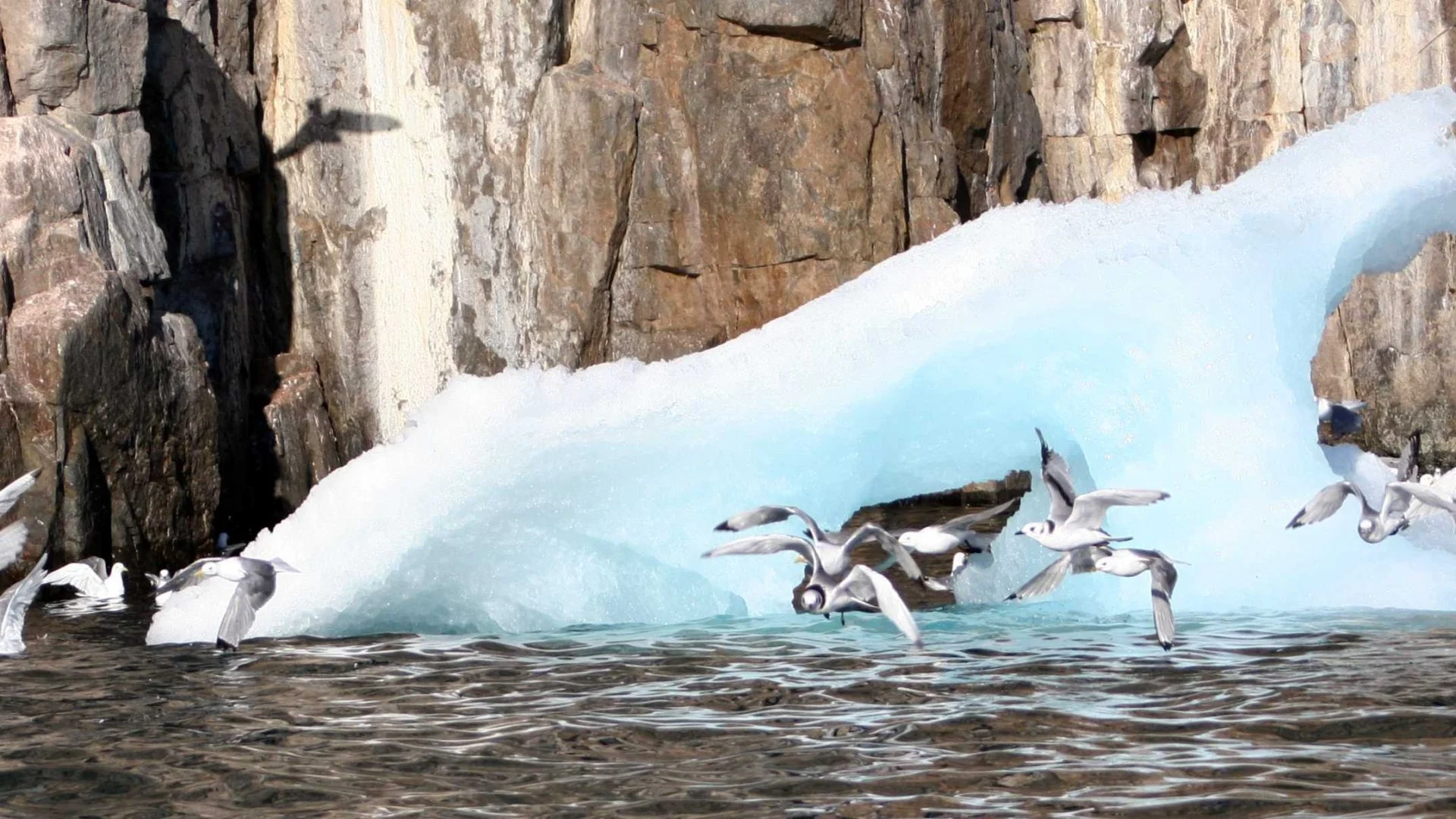
At the entrance to Jones Sound is Coburg Island, whose spectacular seabird cliffs are a designated National Wildlife Area. 30,000 pairs of black-legged kittiwakes and 160,000 pairs of thick-billed murres crowd the rocky ledges on this island almost completely covered by an ice cap.
The largest uninhabited island in the world supports significant concentrations of wildlife, including 26 species of seabirds and 11 species of marine mammals. At Dundas Harbour we find the lonely remains of an RCMP station dating from the 1920s. We have also spotted walrus, polar bear, muskox and caribou here. At nearby Croker Bay, we have a chance to Zodiac cruise though this scenic bay and marvel at icebergs, freshly calved from the glacier at the head of the bay.
In 1845 Sir John Franklin took his expedition of 129 men in two ships into the Wellington Channel. Not a soul returned from the fateful expedition. It was two years before search parties were launched. Aside from the bodies of three souls buried here, only relics were found as clues to the disappearance. Until recently, the three graves had left no indication as to the fate of the rest of the British party. Such is the interest in this story, the Canadian government recently announced a new initiative to locate the missing Franklin vessels.
Good soil conditions and a rare wetland environment produce abundant vegetation here, making Bathurst a major calving area for the endangered Peary Caribou. Here we also find Polar Bear Pass National Wildlife Area, a migratory route for polar bears from March to November. The north half of the island is the proposed Tuktusiuqvialuk National Park. There is a long human history on the island, with evidence of Dorset and Thule habitation as early as 2,000 BC.
Melville Island was first visited by British explorer Sir William Parry in 1819. Not only did he discover the island; ice forced him to spend the winter in 1820 at what is now called 'Winter Harbour'. Melville Island is one of two major breeding grounds for a small sea goose, the Western High Arctic Brant. DNA analysis and field observations suggest that these birds may be distinct from other Brant stocks. Numbering only 4,000-8,000 birds, this is one of the rarest goose stocks in the world.
Home to two thirds of the world's population of Lesser Snow Geese, two federal Migratory Bird Sanctuaries were founded in 1961. The island is home to Barren-ground Caribou, polar bears, muskoxen, and birds such as robins and swallows. The first grizzly-polar bear hybrid found in the wild, was sighted on Banks Island in April 2006 near Sachs Harbour.
Prince of Wales Strait is part of the Arctic Ocean, extending northeastward for 275 km from the Amundsen Gulf to Viscount Melville Sound and separating Banks and Victoria islands. It was discovered in 1850 by Robert McClure, the Irish explorer, who came within sight of the Viscount Melville Sound before heavy ice forced him to turn back. It was named after Albert Edward, then the Prince of Wales.
Found on the west side of Victoria Island, The Hudson's Bay Company post at Prince Albert Sound was opened in 1923, moved to Walker Bay in 1928 and finally to Ulukhaktok (Holman) in 1939. Ulukhaktok is also the location of the most northern golf course in the Americas and hosts the "Billy Joss Open Celebrity Golf Tournament" every summer.
Located at the mouth of the Coppermine river to southwest of Victoria Island on the Coronation Gulf, Kugluktuk is the western most community in Nunavut. Originally named Coppermine, it was renamed Kugluktuk according to its Inuinnaqtun name meaning "place of moving waters", on January 1st, 1996. Because the tundra is close to the tree line, a variety of wildlife can be viewed in the area, including grizzly bears, wolverines and moose, as well as tundra wildlife, such as muskoxen, caribou, foxes and wolves.
If you want more information about this experience and your members privileges, please fill in the form below to send a request and connect with your Connoisseur's advisor.
Connect with the world's most visionary luxury travel brands, leading travel designers and the most discerning travelers from around the globe.
RECEIVE MONTHLY INSPIRATION
JOIN OUR COMMUNITY AND SUBSCRIBE TO NEWSLETTER

