Banyan Tree’s European debut hasn’t unfolded in Tuscany, the Amalfi Coast, or the Greek Isles, nor in Croatia, the neighboring Adriatic heavyweight that long dominated international tourism. Instead, the Singaporean luxury giant has chosen Montenegro—a small Balkan nation aggressively positioning itself as the Mediterranean’s next high-end hub. Backed by mega-developments like Porto Montenegro and Luštica Bay, alongside one of the region’s most favorable marine tax regimes, the country has become a mainstay on the billionaire sailing circuit, drawing high-profile visitors like Jeff Bezos, Beyoncé, and the Obamas. While travel advisors remain split on whether there is sustained ultra-luxury demand beyond a few key resorts, Montenegro’s cultural unfamiliarity offers a novel draw for high-net-worth travelers looking beyond predictable luxury circuits.
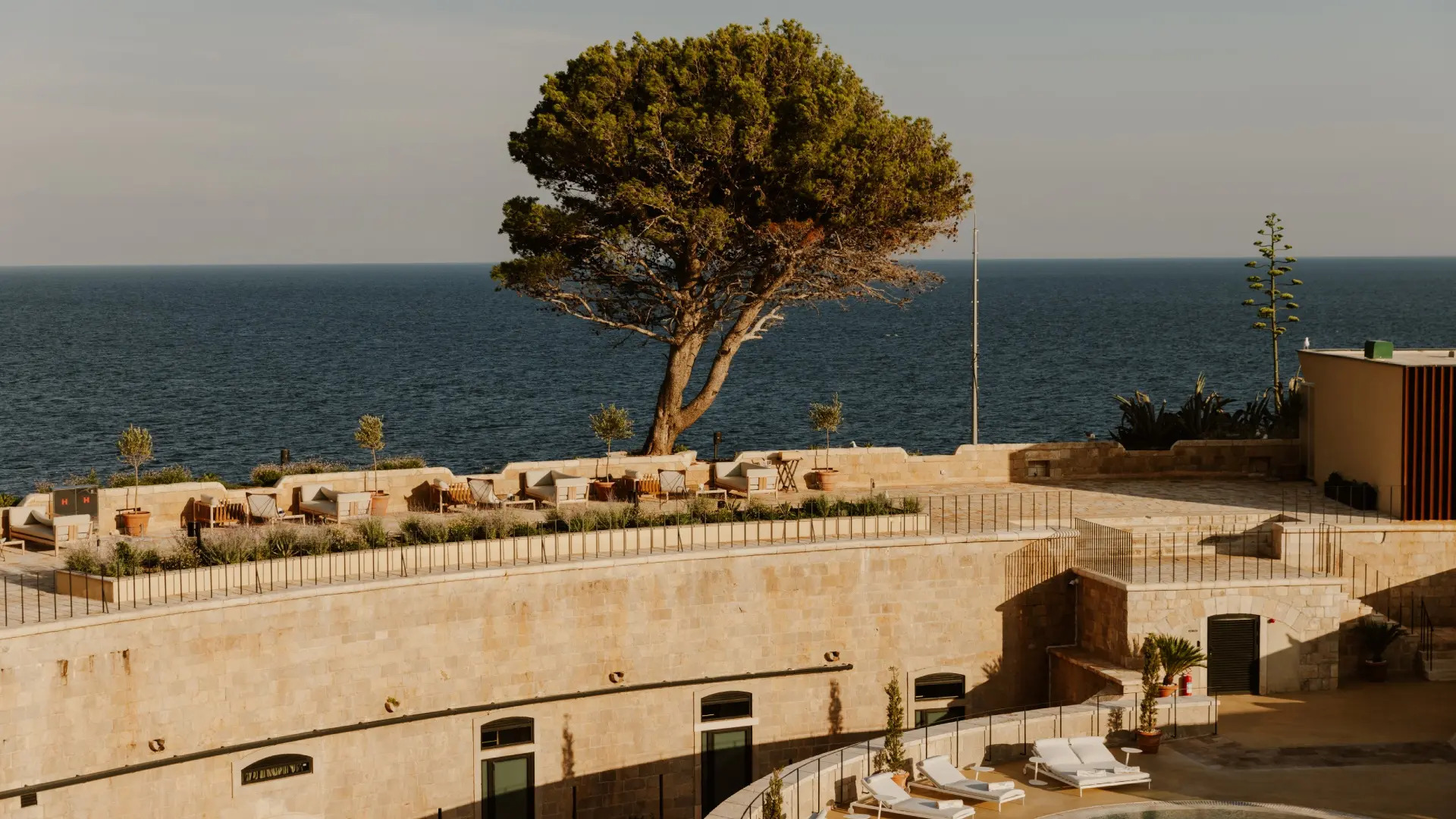
Yet Montenegro’s rapid pivot toward elite hospitality comes with profound controversy, nowhere more evident than at Banyan Tree’s new home: Mamula Island. The 19th-century Austro-Hungarian fortress served as an Italian concentration camp under Mussolini’s regime during World War II. Its conversion into a luxury hotel has drawn fierce criticism from survivors’ families, historians, and human rights organizations who argued the site should have been preserved as a public memorial, while developers maintain private investment was the only way to save the decaying structure. Though a small memorial room exists on site, once you know what these limestone walls held, it becomes impossible to experience the property as merely another sun-drenched sanctuary.
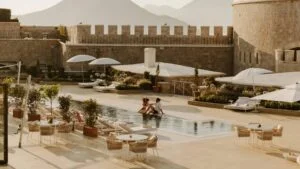
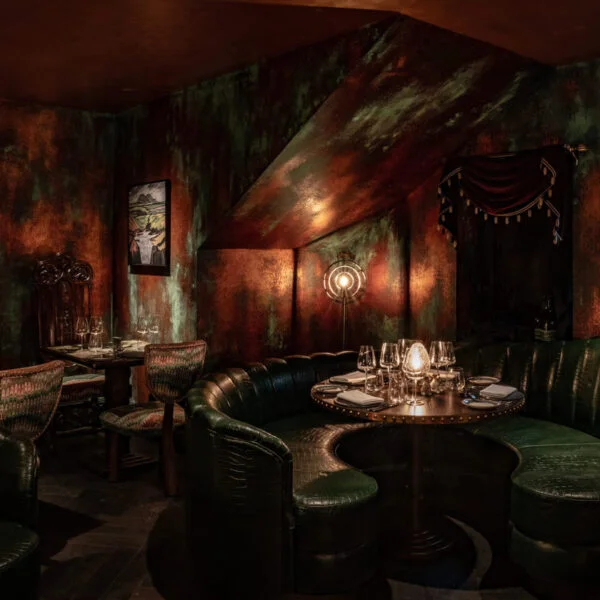
Because the state-owned island is a protected heritage site, Banyan Tree acts as a custodian rather than a creator, employing a restrained restoration where all modern additions—from electrical conduits to plumbing—are completely reversible. Within its compact 650-foot diameter, the hotel houses just 32 rooms and suites that pair oak, brass, and woven textiles with exposed limestone. Guests arrive by speedboat or helicopter to enjoy three distinct restaurants led by local chef Marija Bešović, a subterranean spa built into the central tower, private early-morning boat trips to the Blue Cave, and a tiny vinyl bar hidden in an old stone vault where visitors sip local plum rakija.
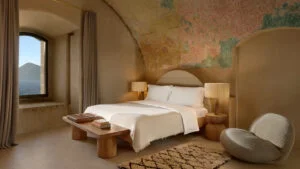
Banyan Tree Mamula Island is undeniably a triumph of architectural preservation and luxury execution, offering a deeply refined coastal escape. Yet as you move between the serene pool deck, the spa, and your private suite, the shadow of the fortress’s wartime history remains impossible to fully shake. Whether Mamula Island represents a thoughtful model for historic preservation or an uncomfortable commercialization of a site of human suffering is an enduring dilemma—and one that every guest will ultimately have to answer for themselves.